Lancaster Sound 2011: Arctic Whale Survey
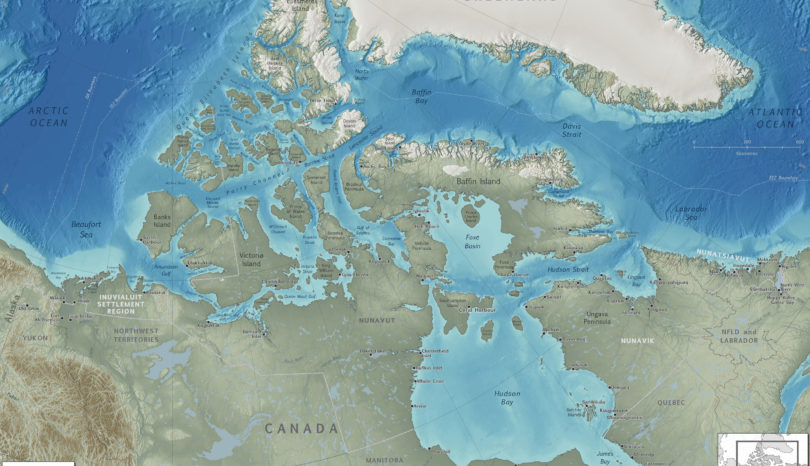
The Pew Charitable Trusts' Oceans North Canada led an Arctic science expedition off Greenland's west coast with the goal of reaching Lancaster Sound in June 2011 to study one of the greatest whale migrations in the world. From the deck of a 45-foot, ice-reinforced trawler, expedition members observed bowhead whales and recorded whale and seal vocalizations – the first time on record that a boat this size has attempted this journey so early in the spring. During the month-long voyage, two scientists and an Inuk hunter were part of a team collecting important new data about Arctic whales.
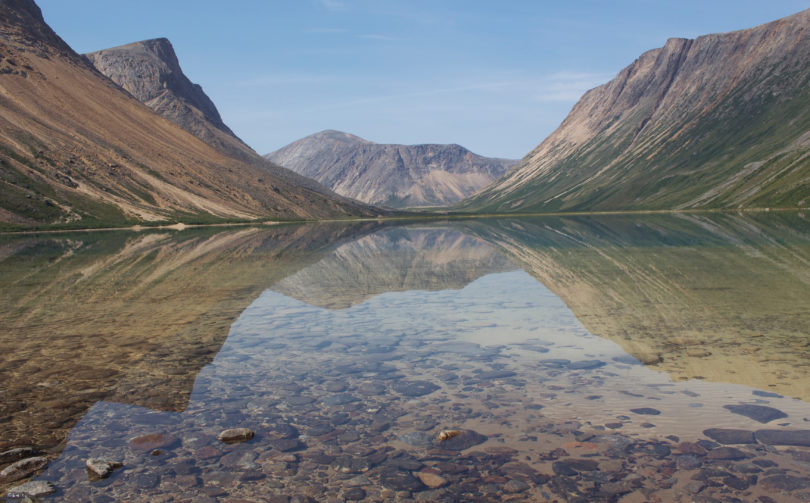
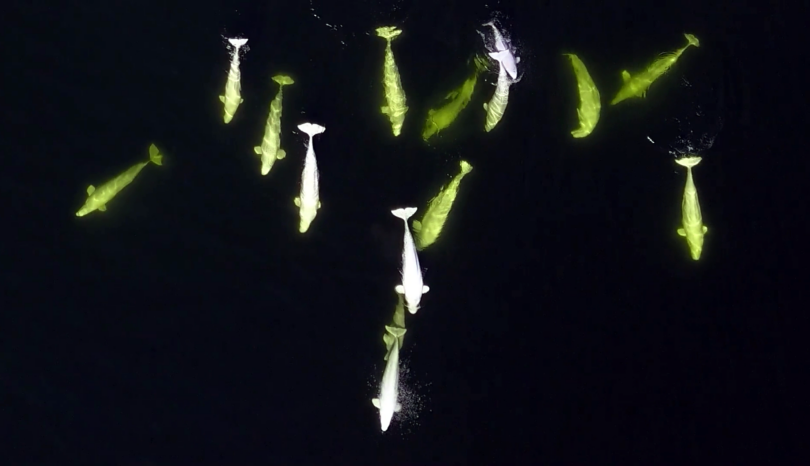
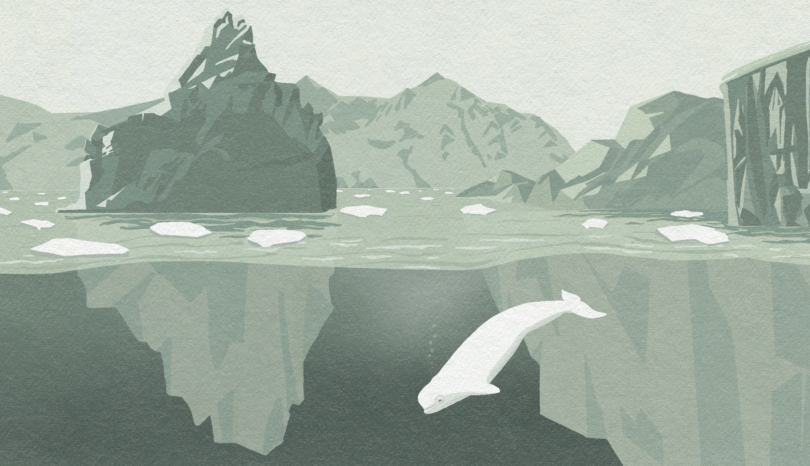
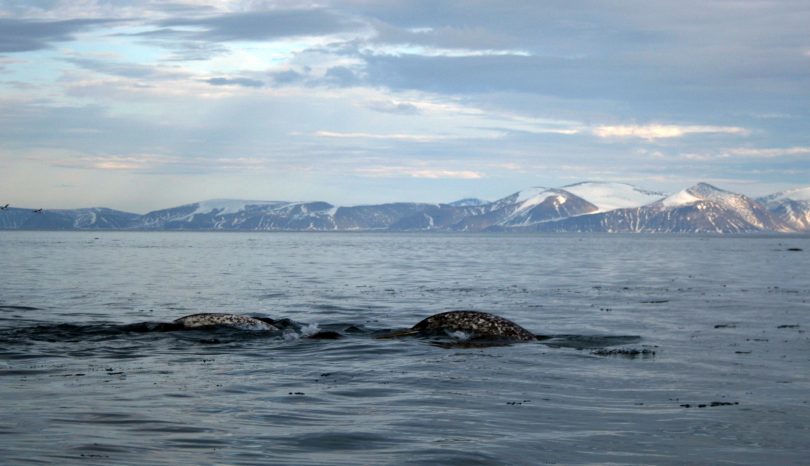
Lancaster Sound, at the eastern entrance to the Northwest Passage, is one of the most biologically rich areas of the circumpolar Arctic. Eighty-five percent of the planet’s narwhal travel through the Sound each spring. They are joined by one-seventh of the world’s beluga whales, thousands of bowhead whales, seals and millions of seabirds.
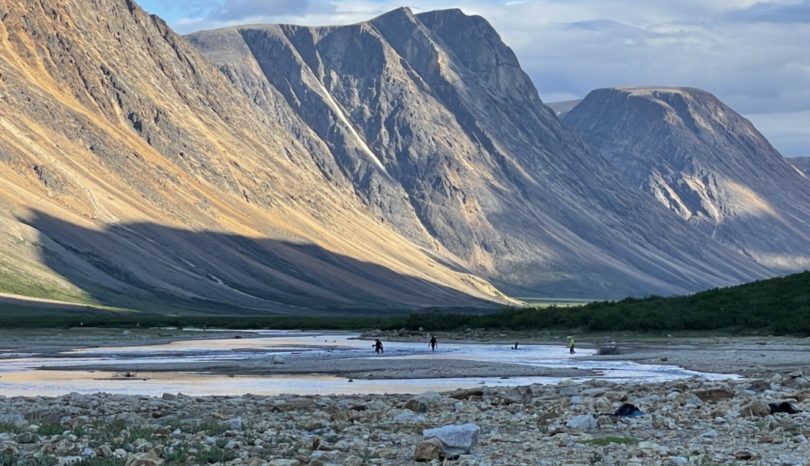
The Inuktitut name for Lancaster Sound is Tallurutiup Tariunga, likely a reference to the Sound’s dramatic limestone cliffs near Dundas Harbour that look like the tattooed chin of a woman – or “Talluruti.” Tallurutiup Tariunga can be translated as “the ocean area of Talluruti.” The English explorer William Baffin named these waters Lancaster Sound in 1616 after the financier of his expedition, Sir James Lancaster.
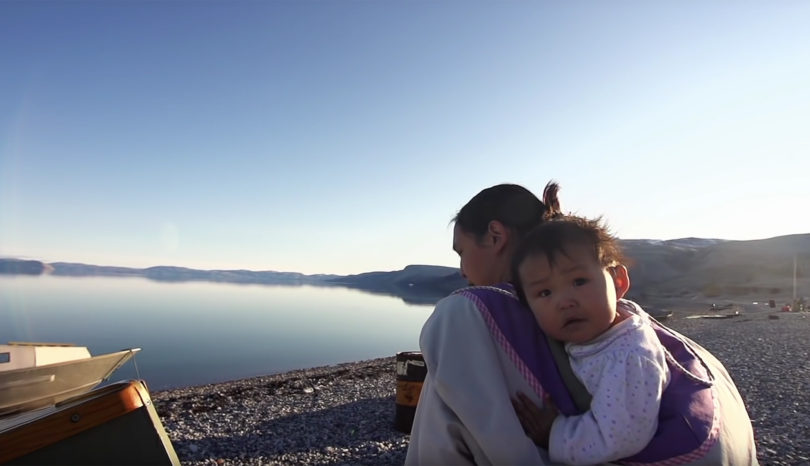
The Inuit communities of Pond Inlet, Arctic Bay, Grise Fiord and Resolute Bay in Nunavut hunt and fish in these waters, depending on Lancaster Sound’s natural wealth for their economic and cultural wellbeing. They have been at the forefront of protecting this vital place from proposed oil and gas development and other threats.
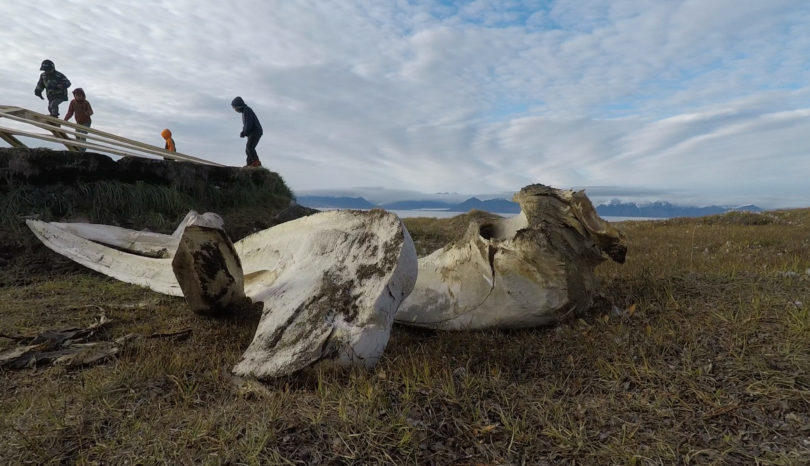
Nunavut Quest 2010
© Chris Debicki
Although ice conditions prevented the ship from reaching Lancaster sound, this expedition highlighted the strong connections between marine regions in Greenland and Canada. Scientists monitored marine mammal acoustics and did conductivity, temperature, depth profiling. Their findings are expected to help document the biological productivity of this region, increase scientific knowledge, and raise awareness about why the Canadian government needs to move quickly to protect the Sound by designating it a national marine conservation area.
Follow the expedition on the Ship's Log, on Twitter at @oceansnorthca or on the Oceans North Canada Facebook page.
Arctic Endeavour Navigating Ice
© Arcadia
Arctic Endeavour Wheelhouse View
© Alex Ootoowa
Capelin Drying in Qeqertarsuaq
© Alex Ootoowa
Black Guillemots Entertain Arctic crew
© Chris Debicki
Expedition Leader Chris Debicki Examining an Ice Field
© Kristin Westdal
Arctic Endeavour's Bow
© Kristin Westdal
Biologist Outi Tervo Records Acoustic Data
© Kristin Westdal
Arctic Endeavour Biologist Kristin Westdal
© Chris Debicki
Arctic Endeavour Crew Member Hans Martin Halvorsen
© Chris Debicki
Arctic Endeavour Crew Examines Ice Field
© Chris Debicki
Arctic Endeavour Crew Members on Deck
© Chris Debicki
Navigating Icebergs
© Chris Debicki
Some of the Arctic Endeavour Crew
© Chris Debicki
Exploring near Ilulissat
© Chris Debicki
Crossing Ilulissat Harbor
© Chris Debicki
Arctic Endeavour Lands in Ilulissat
© Chris Debicki
Crew Kristin Westdal and Alex Ootoowak
© Chris Debicki
Sled Crossing
© Chris Debicki
Ilulissat Sled Dog Puppy
© Chris Debicki
Sleeping Sled Dogs Lie
© Chris Debicki
Ilulissat Town Church
© Chris Debicki
Ilulissat Town
© Chris Debicki
- Home
- Oceans North U.S.
- Oceans North Canada
- Life in the Arctic
- About
- Privacy Policy
- Site Map
- Oceans North International
- Arctic Science
- News Room
- Resource Room
More Information
Follow the expedition members and their research via RSS.
Sign up here if you want to help protect Lancaster Sound.
More about the expedition:
- What kind of research is being done? Find out what questions scientists are trying to answer.
- What’s the connection between the North Water Polynya and Lancaster Sound? Learn about these marine regions and their significance.
- How can I tell a narwhal from a beluga from a bowhead? Check out these facts about Arctic whales and their migrations.
- What environmental threats are marine mammals facing? Read about the impacts of melting ice and increased human access to the Arctic.
- Who is on the boat? Read about expedition members.
Latest News
Media Contact
Ruth Teichroeb
Communications Manager, Canadian Arctic
206.453.2374
rteichroeb [at] pewtrusts [dot] org
Attention Reporters:
Digital maps and graphics available to accompany a story upon request.