Floe Edge Blog
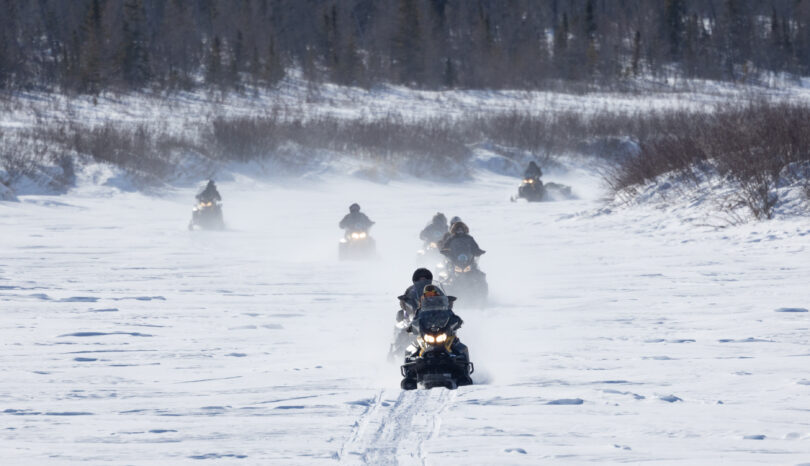
This trip followed in the footsteps of the Hudson Bay Quest Sled Dog Race, the Quest for the Bay documentary television series, and a previous snowmobile tour organized by Heartland Travel and guided by North Star Tours, who guided this iteration.
Credit: Aaron Janzen
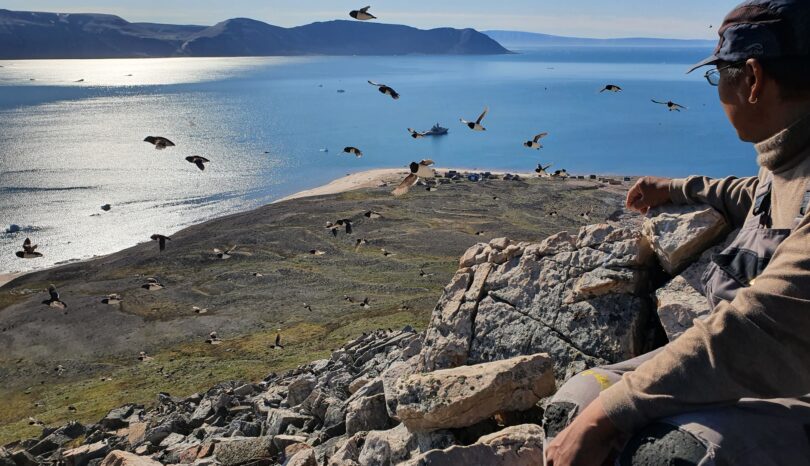
Little auks circling the colony. An estimated 30 million little auks flock to the rocky cliffs along the shores of Pikialasorsuaq each year.
Credit: Anders Mosbech
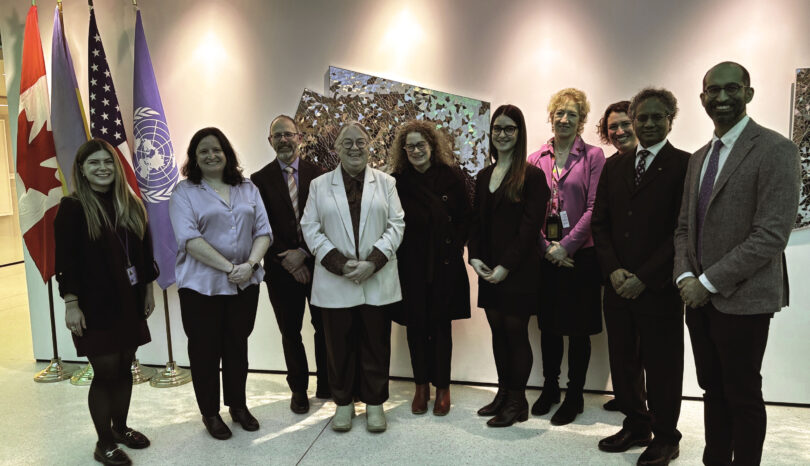
Susanna Fuller and Arctic Project Specialist Maude Durand, along with other experts, met with Minister Diane Lebouthillier yesterday following the treaty signing.
Credit: Jessica Morrison
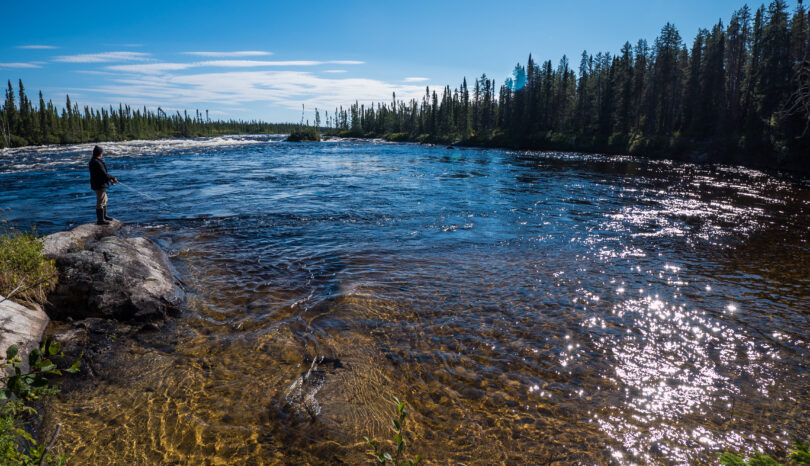
A Cree man fishing on the Rupert River, near the community of Waskaganish.
Credit: Adobe Stock
What We’re Working On
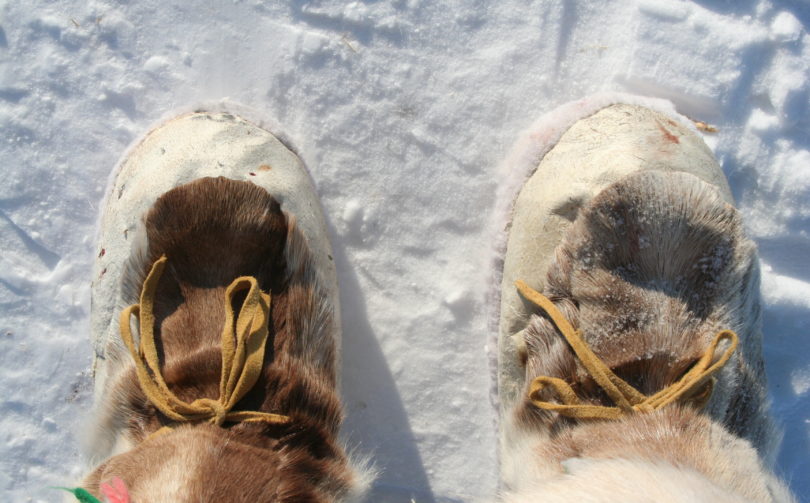
Sealskin kamiks, Mittimatalik (Pond Inlet), Nunavut.
Credit: Kristin Westdal
Arctic Science & Indigenous Knowledge
Sustainable Arctic conservation draws on the best information to support a healthy marine environment and thriving Arctic communities.
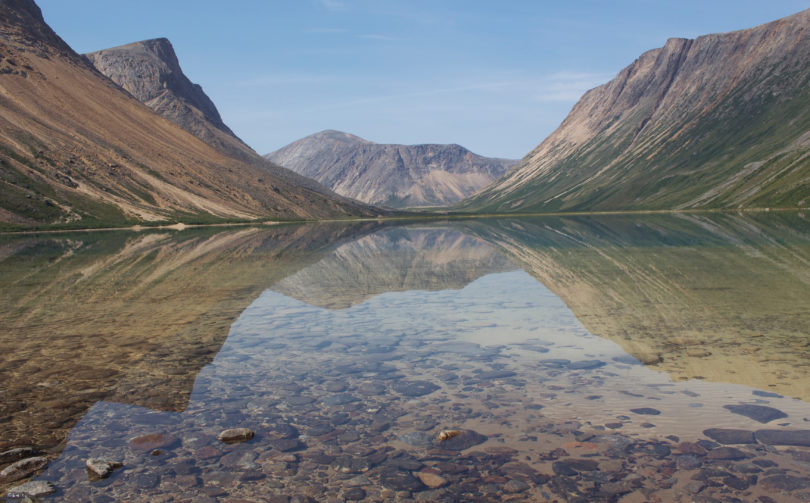
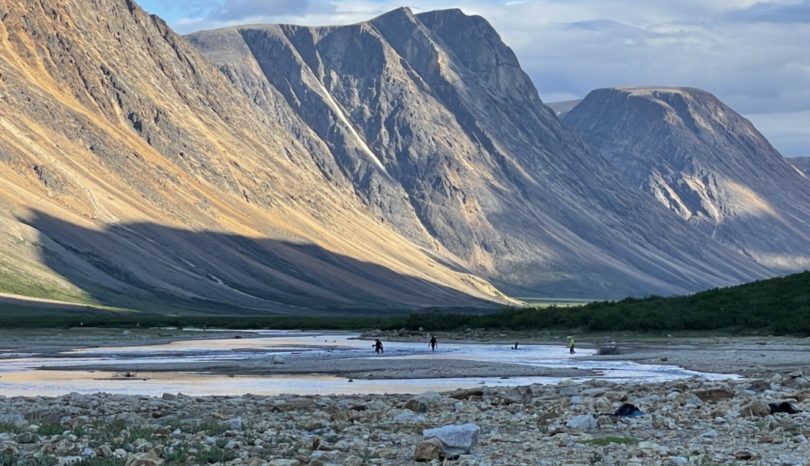
Torngat Fjords, Nunatsiavut.
Credit: Kristin Westdal
Indigenous Protected Areas & Marine Conservation
Building a network of Arctic marine conservation areas identified and managed by Inuit will encourage resilient ecosystems that support a traditional way of life.
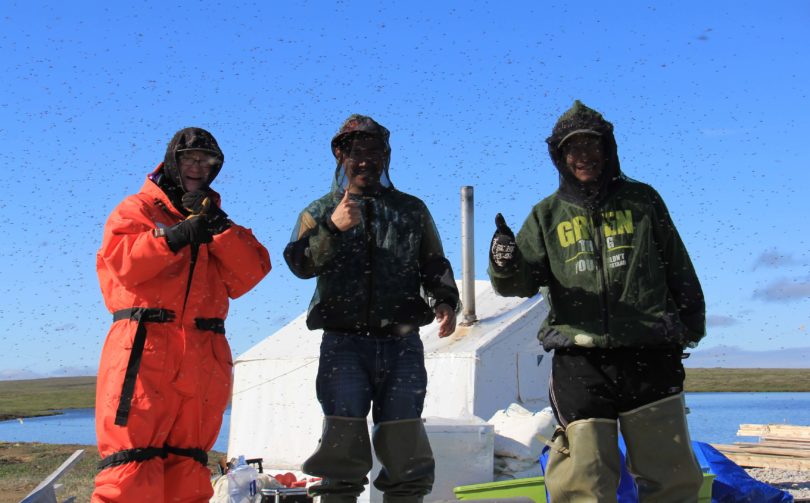
Staff brave the bugs while collecting data on belugas for Inuvialuit community-based monitoring program near Paulatuk, Northwest Territories.
Credit: Louie Porta
Conservation Jobs & Training
Indigenous Arctic experts should be hired to oversee marine conservation areas and monitor ecosystems.